
 ISO 9001:2015
 ISO 14001:2015
 ISO 45001:2018
 CE - Metal Conduit
 CE - Cable Tray
01 / Power & infrastructure
Cable management, made export-ready
Cable tray systems built for your next project.
Galvanized, stainless steel and aluminum cable tray systems supplied directly from our factory. Clear specs, dependable quality, fast global delivery.
ISO-ready production
Export-safe packing
Project-specific sizing
Worldwide shipping
At a glance
Cable tray supply, made clear.
- Products: perforated, ladder, solid-bottom trays and compatible fittings.
- Materials: galvanized steel, hot-dip galvanized steel, stainless steel and aluminum.
- Support: sizing, drawings, inspection documents and export packing from one factory team.
Core product range
One reliable system for every cable route.
Choose a standard model or send us your drawing. We can match the tray, finish and accessories to your project.
Best seller
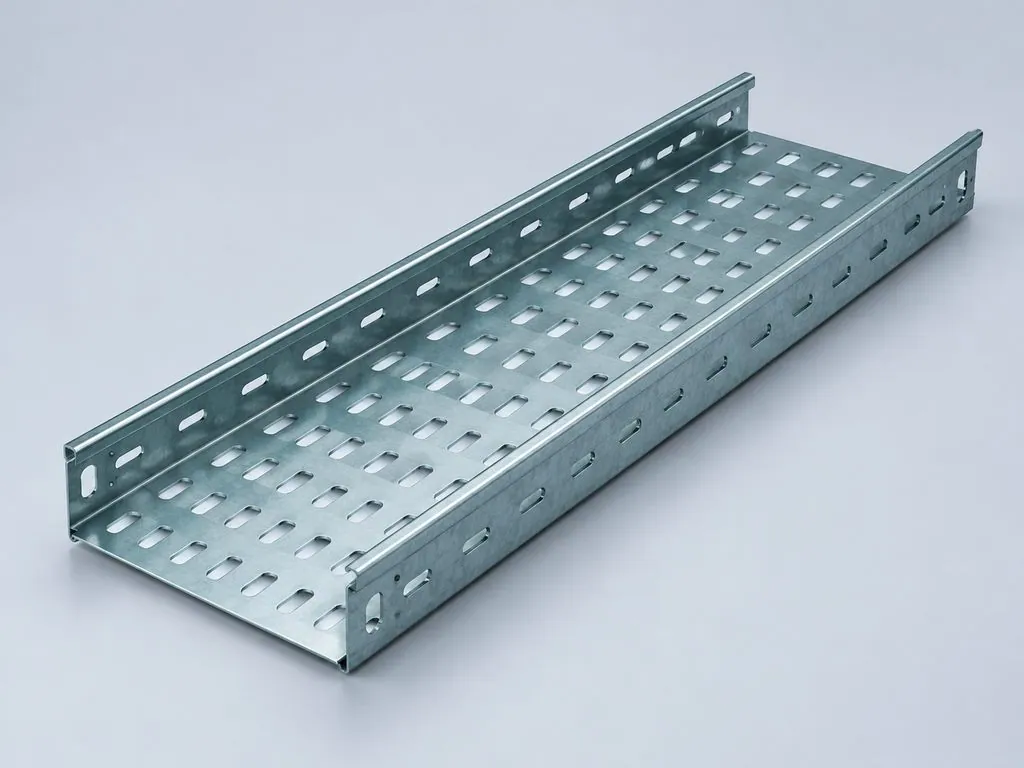
Perforated Tray
Balanced ventilation and cable support for commercial, industrial and infrastructure projects.
GI / HDG50-600 mmFast install
Heavy duty
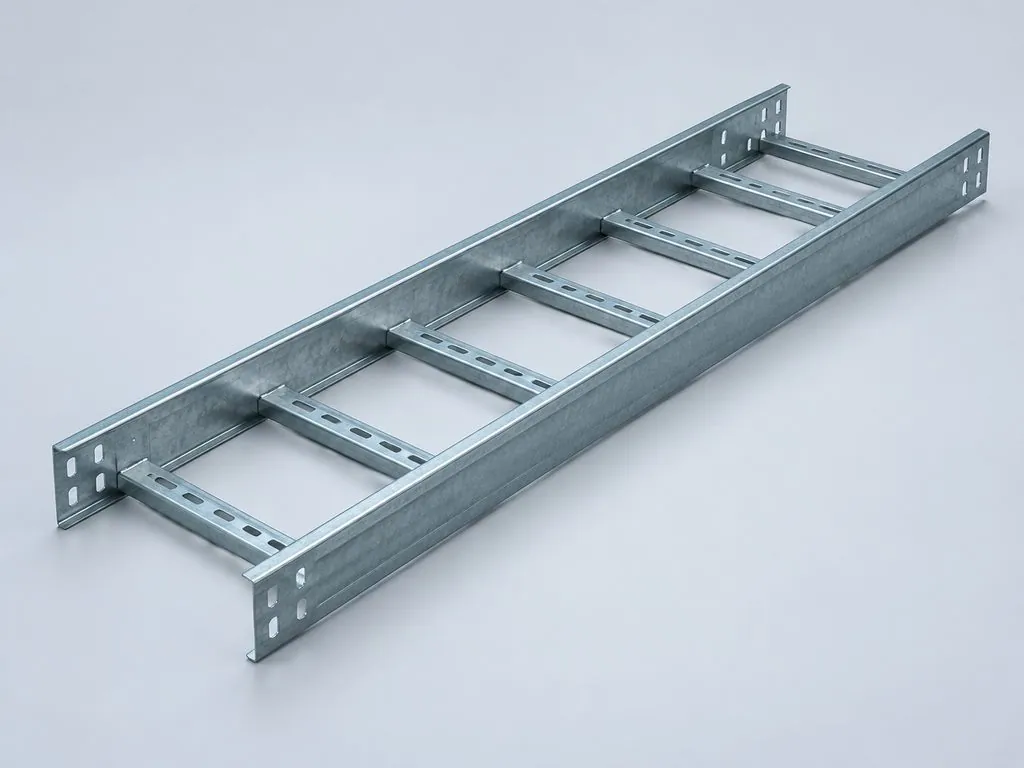
Ladder Tray
High-load ladder design for power, data center and large-scale industrial cable runs.
HDG / SS100-900 mmHigh load
Clean finish

Solid Bottom Tray
Extra protection from dust and falling debris for sensitive control and communication cables.
Aluminum100-900 mmLow dust
Why Yanggang
Less friction between your order and the job site.
We keep the process practical: confirm the route, lock the specification, manufacture to tolerance, then pack for the real journey overseas.
Clear technical drawingsShop drawings and section details for approval.
Flexible customizationDimensions, holes, bends and accessories.
Consistent qualityMaterial traceability and inspection before loading.
Export experienceSupport with packing lists and shipment details.
Inside our factory
See how your cable tray order comes together.
From raw material and forming to inspection and export packing, our team keeps every step visible and project-focused.
Watch the production and packing process
Inspection before shipment
Export-ready handling for global delivery
Quality documentation
Standards you can review before you buy.
Open any document for a larger view. Our certificates cover quality, environmental management, occupational safety and cable tray conformity.
Where it works
Designed around real cable routes.
From a compact commercial fit-out to a high-load plant room, the right tray keeps installation clean and serviceable.
02 / Data & controls
Data centers & control rooms
03 / Building services
Commercial MEP systems
Cable tray guide
Practical answers for better cable management.
Use these guides to compare tray types, plan installation and keep cable tray systems reliable over the life of a project.
Selection guide
How to Choose the Right Cable Tray for Your Project
Choosing the right cable tray early can reduce installation time, improve ventilation and make future maintenance easier.
Start with the cable route
List the cable types, approximate quantity, route length, indoor or outdoor location and the working environment. A clean project brief helps the manufacturer recommend the right width, height, material and accessories.
Compare the main tray styles
- Perforated cable tray: a balanced option for ventilation, support and everyday commercial or industrial routes.
- Ladder cable tray: useful for heavier power cables and longer spans where access and airflow matter.
- Solid bottom tray: suitable where cable protection from dust, debris or small falling objects is important.
Match the finish to the environment
Galvanized steel is widely used for general projects. Hot-dip galvanized, stainless steel or aluminum may be more appropriate where moisture, chemicals, salt or weight reduction are important. Always confirm the finish with the project specification.
Confirm load, dimensions and accessories
Check the manufacturer's load data, support arrangement, bend radius and fitting schedule. Allow space for installation and future expansion instead of sizing the tray only for today's cables.
Installation guide
How to Install Cable Tray Systems: A Practical Guide
A well-planned cable tray installation protects cables, keeps routes easy to inspect and prevents avoidable rework at the job site.
1. Plan the route before installation
Review drawings, equipment locations, access points and other services before fixing supports. Keep the route as direct as possible and leave room around bends, tees and drops for pulling and future maintenance.
2. Set supports and spans consistently
Install supports according to the approved drawing and the tray manufacturer's load table. Check alignment, level and fixing strength before placing the tray sections. Poor support spacing can lead to deflection, damaged finishes or difficult cable pulling.
3. Use the right fittings
Use compatible bends, reducers, tees, crosses, covers and splice plates. Avoid sharp edges and respect the minimum bend radius of the cables. Keep cable routes neat with suitable ties or cleats, without crushing or over-tightening them.
4. Check bonding and separation
Metallic tray systems may need bonding or grounding continuity depending on the design and local electrical code. Keep power, control and communication cables separated where the project requirements call for it, and follow the cable and tray manufacturer's instructions.
5. Inspect before handover
Confirm fasteners, joints, edges, covers, support points and cable clearance. Record any field changes and complete the required inspection before the system is energized.
Maintenance guide
Cable Tray Maintenance Checklist for Industrial Buildings
Regular inspection keeps cable tray systems safe, organized and ready for changes as a facility grows.
Inspect the tray and finish
Look for corrosion, impact damage, sharp edges, loose covers, bent sections and blocked drainage points. Outdoor and coastal locations usually need closer attention because moisture and salt can accelerate corrosion.
Check supports, joints and bonding
Review support brackets, splice plates, bolts and expansion connections. Look for movement, excessive deflection or missing hardware. Where bonding or grounding is part of the design, verify continuity according to the project procedure.
Review cable loading and condition
Check whether new cables have reduced clearance or added weight beyond the original design. Inspect insulation, cable ties, cleats and entry points for abrasion, heat or mechanical stress. Keep unused space available for safe maintenance and planned expansion.
Keep routes clean and documented
Remove dust, packaging and debris without damaging cables. Update route drawings after modifications and label important circuits. A simple inspection record helps teams compare changes over time and plan replacement work.
Use qualified personnel
Maintenance near energized equipment should follow the site's lockout, isolation and electrical safety procedures. When in doubt, stop work and consult the responsible electrical professional.
More engineering and application guides
Technical requirements vary by country, project and cable type. Confirm the applicable electrical code, approved drawings and manufacturer instructions before installation or modification.
Simple buying process
From first message to shipment, clearly.
Tell us enough to price accurately. We will help fill in the gaps when your project is still taking shape.
01
Send your brief
Share sizes, material, quantity, destination or a drawing.
02
Review the quote
Receive pricing, lead time and a clear product recommendation.
03
Approve samples
Confirm drawings, surface finish and packing details.
04
Ship with confidence
We produce, inspect, pack and coordinate the export shipment.
Request a quotation
Have a cable route in mind?
Give us the basics and our sales team will come back with a practical starting point. Attach drawings later by email if needed.
Contact our export team
18151392223@163.com
WhatsApp: +86 138 5106 2134
Jiangsu, China - Shipping worldwide