
Factory-direct cable tray systemsReply within 24 hours - OEM welcome

Cable Tray Fittings for Complete Cable Routes

Coordinate bends, tees, crosses, reducers, covers and connection hardware with the tray sections for a clean, project-ready installation.

Cable tray system planning reference for fittings

Fittings matched to the tray system

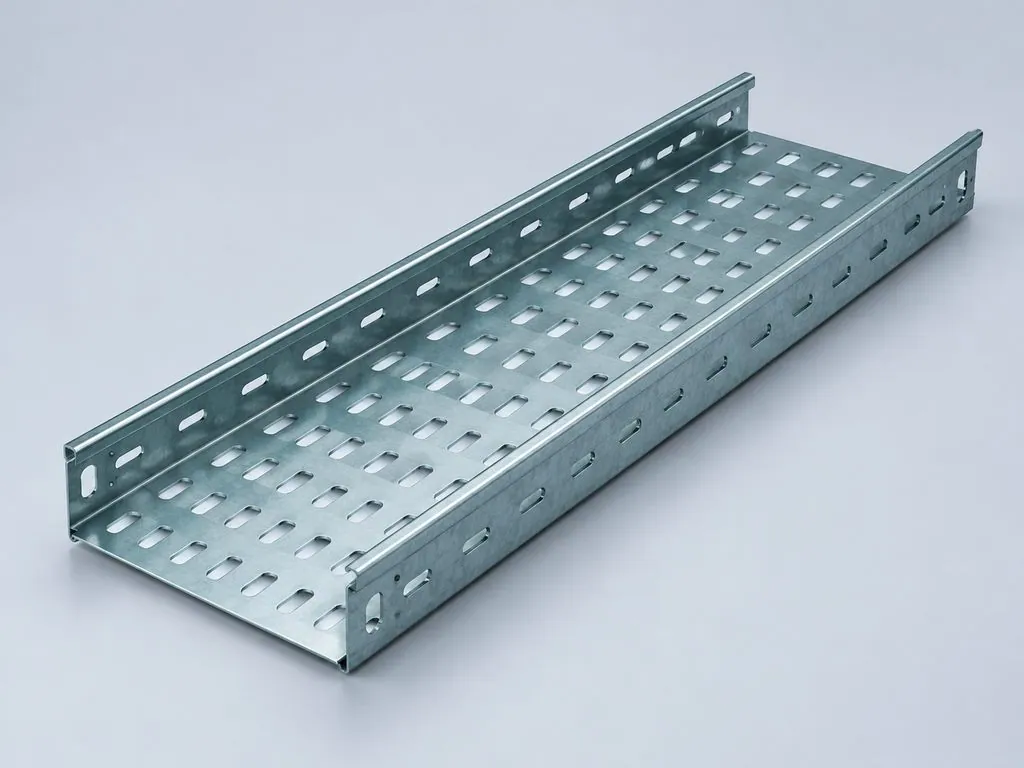
Cable tray fittings change the direction, level, width or protection of a cable route. A complete quotation should coordinate each fitting with the tray type, width, side rail height, material, finish and connection method.

Yanggang can review a drawing, fitting schedule or marked-up route and organize the required components for perforated, ladder and solid bottom cable tray systems.

Direction changesHorizontal bends, vertical inside bends, vertical outside bends and offsets
Branching fittingsTees, crosses and multi-way route transitions
Width transitionsReducers and expanders matched to tray width and side rail height
Protection and joiningCovers, splice plates, clamps, bonding parts and support accessories
Common bend angles30, 45, 60 and 90 degrees; radius is selected for the cable and route
Materials and finishPre-galvanized steel, hot-dip galvanized steel, stainless steel or aluminum

Specification note: Fitting dimensions depend on the tray width, side rail height, bend radius, material and project route. Final dimensions and quantities are confirmed from approved drawings before production.

What to include in a fitting schedule

  • Tray type and section width
  • Side rail height and material thickness
  • Horizontal or vertical direction changes
  • Angle, radius and elevation change
  • Cover, splice and bonding requirements
  • Quantity, packing and delivery destination

Request a coordinated quotation

Send a route drawing, cable tray list or simple sketch. We can help match the fitting schedule to the straight sections and prepare a clear quotation for review.

Request fitting pricing

Frequently Asked Questions

Which cable tray fittings can Yanggang supply?

Common fitting groups include horizontal and vertical bends, tees, crosses, reducers, offsets, covers, splice plates and support accessories. The final fitting schedule is confirmed from the route drawing.

What bend angles are commonly specified?

30, 45, 60 and 90 degree bends are commonly specified. The required angle, radius, width and side rail height should match the tray system and cable bend radius.

What information is needed to quote fittings?

Send the tray type, width, side rail height, material, finish, fitting angle, radius, quantity and a route drawing or fitting schedule when available.